What do nurses do at assisted living communities?


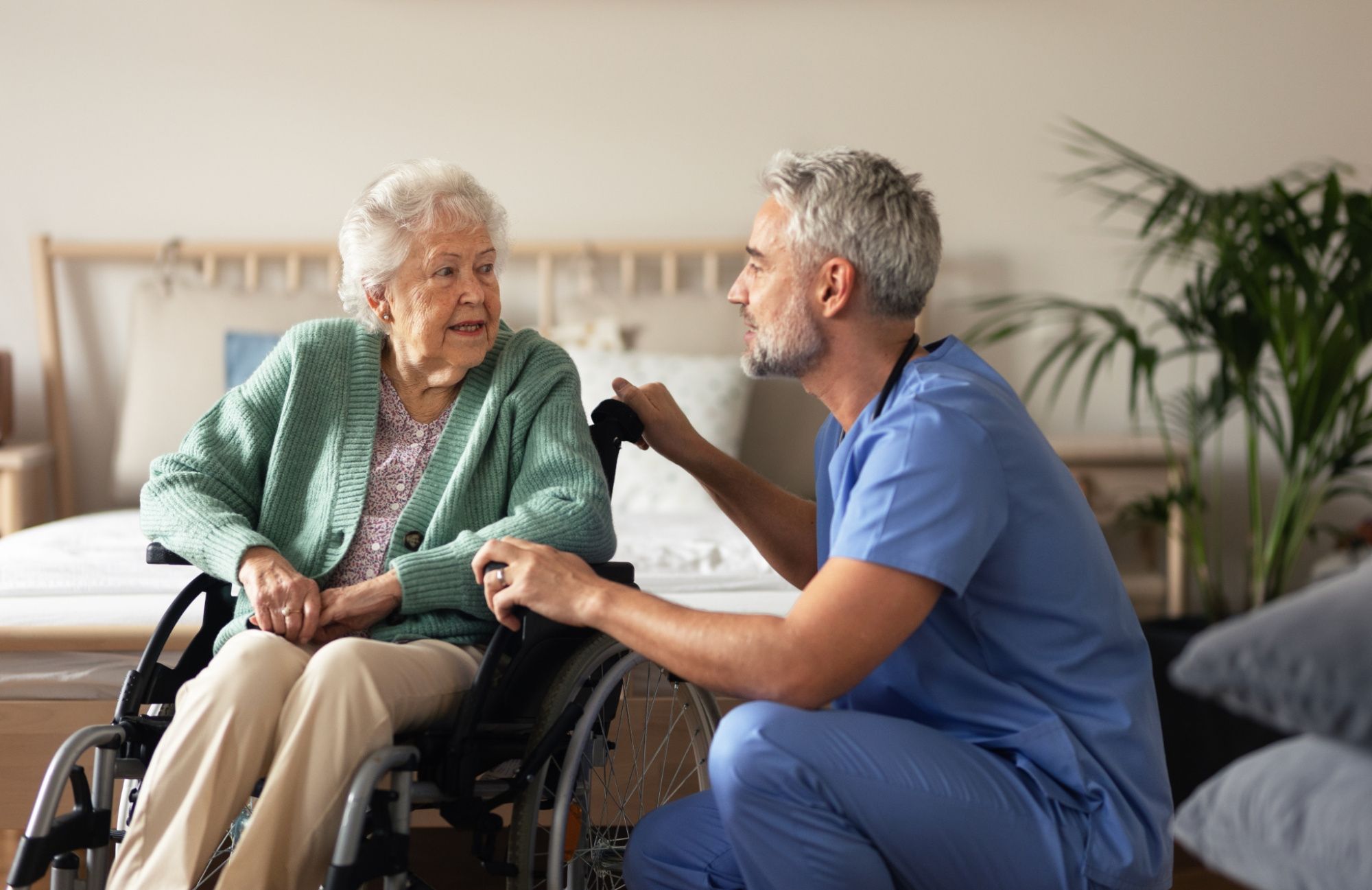
Nurses work in assisted living communities, but they may coordinate care rather than provide daily hands-on support.
RNs, LPNs, CNAs, and caregivers have different training and responsibilities within an assisted living community.
Staffing, medication support, and available medical services can vary by community, state, and local regulations.
Different types of senior living and care support different needs. The level of care can range from little to no support in an independent living community to daily medical care in skilled nursing facilities (SNFs) or nursing homes. States also use different terminology and set different regulations for these communities. The standard of care in an Oregon assisted living community, for example, may look different from the standard in an Arizona community.
So, do nurses work in assisted living communities, or do caregivers provide most of the support? What do nurses do when they’re employed there? Understanding their roles can help you feel more informed about who may care for your loved one after they move. Of course, this is also a question assisted living communities should answer when you visit.
Do nurses work in assisted living communities?
Yes, nurses work in assisted living communities. However, they may coordinate care rather than provide direct, hands-on support to residents, especially if they’re an RN:
RN: A registered nurse has a higher level of education than an LPN or CNA. An RN can administer medications, perform diagnostic tests, and work with doctors, families, and other nursing staff to coordinate care.
LPN: A licensed practical nurse can provide basic medical care, help residents with activities of daily living (ADLs) such as bathing, dressing, and toileting, and report residents’ vital signs to doctors and other nursing staff.
CNA: A certified nursing assistant has less formal training than an RN or LPN but can help residents with ADLs. CNAs are the most common type of nursing staff found in long-term care settings such as assisted living communities.
A caregiver or CNA might help assisted living residents with ADLs, such as getting out of bed and dressing. An RN might assess new residents, coordinate with hospitals and medical providers, and help create health care and service plans based on each resident’s needs. Nurses may also organize activities that promote health and help manage chronic diseases within the community. An assisted living community’s staff often consists mostly of caregivers or CNAs, with one or several RNs overseeing operations and care plans, depending on the community’s size.
Assisted living communities usually can’t provide the same level of medical care as skilled nursing facilities. For example, a caregiver typically can’t give a resident an insulin injection to help regulate diabetes, but they can remind the resident that it’s time for the injection. This is usually referred to as medication management. The services available depend on the community and local regulations.
You may also find assisted living communities that allow outside nursing services to visit residents at the resident’s expense, especially when that support is only needed for a short time, such as after surgery.
Communities must consider whether a resident needs more care than they can provide, but many try to avoid uprooting someone when their increased care needs are expected to be temporary. Similarly, assisted living communities generally don’t remove residents who need hospice care because moving at that time could place an undue burden on the resident and their family.
Nurse responsibilities in assisted living
To sum up, nurses, depending on their level of certification, can be responsible for supporting assisted living residents in the following ways:
Assessing residents’ overall health and creating and overseeing care plans
Serving as a liaison among residents, the community, physicians, and residents’ family members
Supervising other nursing staff
Providing personal care, including help with ADLs
Managing medications
Organizing wellness programs for residents
Are you considering a career in assisted living nursing?
Working with older adults can be gratifying, especially in long-term care settings where you can really get to know residents. To learn which qualifications you may need for this career path, explore the programs that community colleges, colleges, and universities offer near you. You may also find a number of online certification and degree programs, but some can have accreditation issues. Research any program carefully before enrolling.
Like other health care professionals, nurses have many career options, from hospitals to private practices. Geriatric care can offer a rewarding career in a growing field because our population is aging rapidly.1 If the day-to-day pace of senior living feels too quiet for you, in-home care agencies also send nurses to older adults’ homes.
Nursing homes vs. assisted living
There are a few differences between nursing homes and assisted living communities Although many people use the term “nursing home” to refer to senior living communities, communities themselves use it less often because it isn’t always accurate. Nurses work in many aging care settings, and only skilled nursing facilities offer full-time medical care. Nurses can work in assisted living communities, which generally provide a lower or less acute level of care, or in skilled nursing facilities, which provide acute care.
They can also specialize in certain types of support, such as memory care for people living with dementia or Alzheimer’s disease. Although the terminology has changed, nurses continue to play an important role in supporting the health and happiness of older adults in assisted living and other senior living settings.
Search for aging care providers
Finding the right care starts with understanding your options. Use our Care Finder to search for providers, including those in the CareScout Quality Network.
Written by

Emma Rodbro
Emma’s passion for reducing social isolation in aging populations was undoubtedly influenced by her own experience as a teenager and spending time with her grandfather. Emma went on to earn her Bachelor or Arts in Public Health and Sociology from Brown University and h...