

Technology for seniors: what you need, and what you need to know


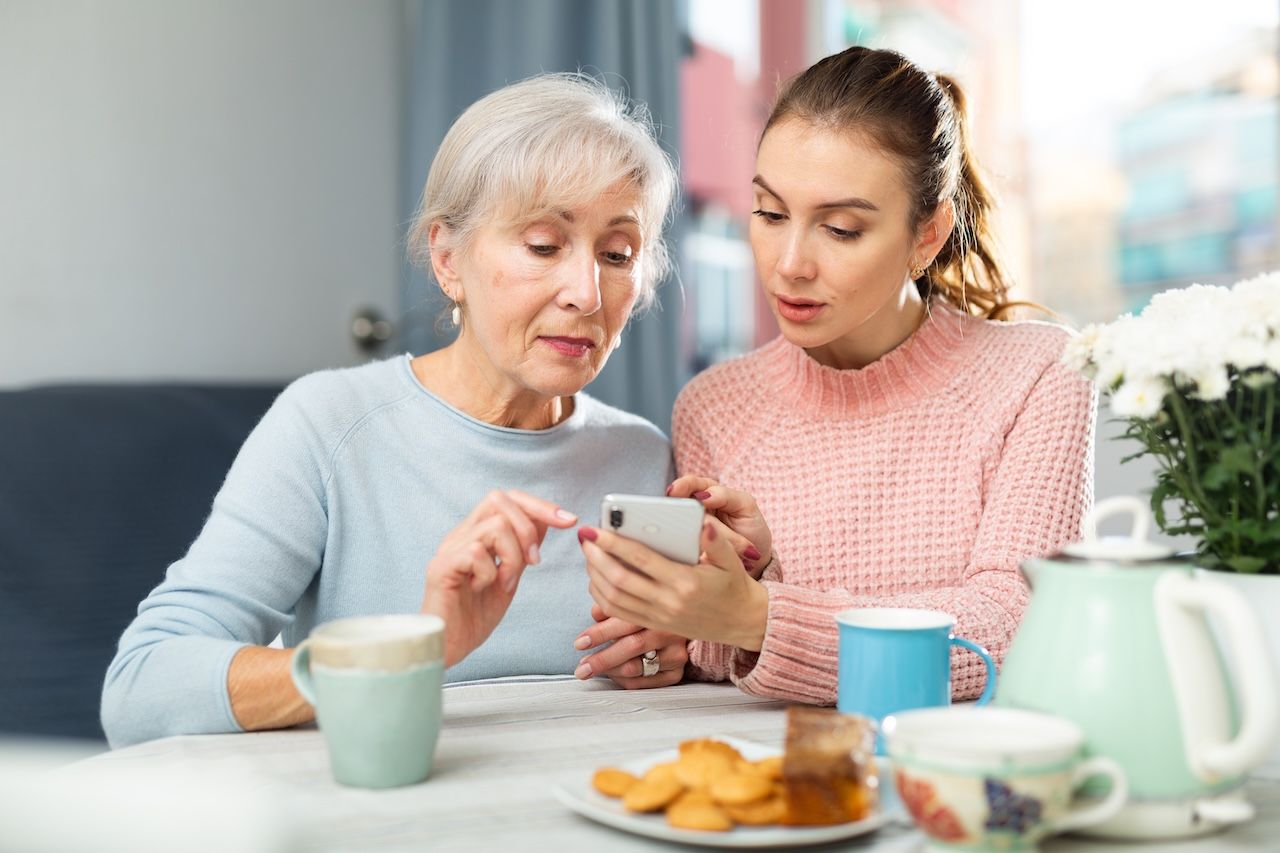
Technology can support an older adult’s safety, health, communication, mobility, and independence.
Helpful tools include emergency response systems, mobility aids, smart home devices, health monitors, communication tools, memory aids, and entertainment technology.
When introducing a new device, explain its personal benefits, address online safety concerns, and allow plenty of time to learn.
Technology can make everyday life safer, easier, and more connected for older adults. Today’s growing range of devices can support everything from daily convenience and communication to health monitoring, personal safety, and overall quality of life.
Free and paid apps can make these devices even more useful. They help people get more functionality from their devices while offering older adults practical ways to stay connected, support their health, and engage with their communities and interests. Here’s how technology can support independence and make daily life safer and more enjoyable for an older adult in your care circle.
How new technology can help older adults
If an older adult wants to remain at home as they age, technology may help make that possible. AARP reports that up to 77% of people want to stay in their homes as they grow older, making tools that support safety and independence especially relevant.
Whether an older adult lives independently, receives care at home, or lives in a senior living community, technology can support a safer, easier, and more independent life. Its day-to-day benefits include:
Improved safety: Devices such as personal emergency response systems and automated home lighting can help create a safer living environment. These tools may offer reassurance and peace of mind to older adults and the people who support them.
Enhanced communication: Free apps and user-friendly devices make it easier for older adults to stay in touch with family and friends. Video calls and instant messaging can help bridge generational and geographic distances while reducing social isolation.
Health monitoring: Smartwatches and health apps provide useful information about physical well-being, including heart rate and sleep patterns. This technology can support better day-to-day health management and keep both older adults and caregivers informed.
Easier access to services: Technology can simplify online shopping, virtual medical appointments, and access to entertainment. This added convenience can be especially helpful for someone who has mobility challenges or finds leaving home difficult.
7 technologies that support independence and safety
1. Personal emergency response systems (PERS)
When an older adult needs help quickly, a personal emergency response system can provide a direct way to call for assistance. Medical alert devices can serve as an important safety tool, especially during an emergency.
Medical alert bracelets or necklaces: These wearable devices provide a direct line to emergency services, making help available at the press of a button while fitting comfortably into everyday routines and clothing.
Fall detection devices: Advanced sensors in these devices can detect a fall and automatically alert emergency contacts or services, providing an added and potentially critical safety net for older adults who live independently.
GPS-enabled PERS: These devices can identify the wearer’s location, offering another layer of security for someone with memory challenges or an older adult who enjoys taking walks and spending time outdoors.
2. Mobility aids
When getting around becomes more difficult, the right mobility aid can help an older adult remain active, move more safely, and continue participating in activities they enjoy.
Walkers and rollators: These mobility aids may include user-friendly features such as hand brakes, built-in seats, and baskets to support safe, stable, and more convenient movement.
Electric scooters and wheelchairs: Power-assisted mobility can provide greater freedom to move around, enjoy outdoor spaces, and participate more fully in community activities.
Stair lifts and ramps: These additions can improve access to different levels of a home and nearby outdoor spaces, making more areas easier and safer to reach.
3. Smart home devices
Smart home devices can make a living space more convenient, comfortable, and safer. Some mobile apps can also connect directly to these devices, allowing for remote control.
• Voice-activated assistants: Devices such as Amazon Echo or Google Home let an older adult use simple voice commands to play music, check the weather, get updates, and control parts of the home.
• Automated lighting systems: Smart lights can operate on a schedule or be controlled remotely, illuminating rooms and walkways without the need to reach for a switch. This can be especially useful for improving safety at night.
• Smart thermostats: Voice commands and remote controls make it easier to adjust the temperature and keep the home comfortable without navigating complicated manual controls.
4. Health monitoring devices
For an older adult who wants to keep a closer eye on their health, monitoring devices can provide useful information and insights for managing everyday wellness more proactively.
• Blood pressure monitors and smart scales: These easy-to-use at-home devices track blood pressure and weight, offering helpful information about cardiovascular health and general well-being.
• Wearable fitness trackers: In addition to counting steps, these devices can monitor heart rate, sleep quality, and other wellness information that may encourage a more active and healthy lifestyle.
• Smart glucose meters and medication management apps: These tools can simplify diabetes care and medication schedules while sharing important health data directly with doctors for more timely guidance and advice.
• Fall detection watches: In addition to telling time, these watches include advanced sensors that detect falls and automatically send an alert to designated emergency contacts or services.
5. Communication technology
Staying connected matters, especially when family members and friends live far away. These technologies can keep the wider world within reach while making communication simpler and more enjoyable.
• Tablets with large icons and simplified settings: Designed for ease of use, these tablets can make video calls, digital reading, and browsing the internet more accessible and enjoyable for older adults.
• Older adult-friendly smartphones: Features such as large text, simplified menus, and louder speakers can make phone communication clearer, easier to navigate, and more straightforward.
• Devices that enable video calls: Tablets, smartphones, and some smart home devices with screens make video calls easier, helping older adults connect with the people they care about across generations and geographic distances.
6. Memory aids
When remembering appointments or daily tasks becomes difficult, digital reminders and organization tools can provide helpful assistance while supporting an older adult’s routine and independence.
• Digital calendars and reminder apps: These apps help track appointments, events, and medication schedules, allowing important reminders to fit more seamlessly into an older adult’s daily routine.
• Electronic pill dispensers: Electronic pill dispensers use audible alerts and dispense the correct dosage to help an older adult take medication properly, consistently, and on time.
• Medication reminders: Smartphones, smartwatches, and dedicated medication management apps can provide helpful alerts when it’s time to take medication, reducing the risk of missed doses or accidental double doses.
7. Entertainment and engagement
Technology isn’t only practical. From digital books to immersive virtual experiences, it can also provide a wide range of opportunities for enjoyment, learning, intellectual engagement, and mental stimulation.
• E-readers and audiobook apps: Adjustable text sizes and convenient audiobook options let older adults read or listen to their favorite books according to their needs and preferences.
• Online courses and hobby apps: From learning a new language to developing painting skills, these platforms offer a variety of activities that can keep the mind engaged and lift the spirits.
• Virtual reality (VR) experiences: Virtual reality can offer immersive experiences such as virtual museum tours and interactive puzzles that stimulate the mind in creative and engaging new ways.
Why telehealth systems matter
When traveling to medical appointments is difficult, telehealth can play an important role by connecting an older adult with health care providers from the comfort of home.
Telehealth uses technology to support remote health monitoring, consultations, and access to medical services. It can be especially helpful for older adults who have mobility challenges or live in remote areas. Here’s how telehealth can help support the health and safety of someone in your care circle:
• Accessibility: Telehealth services allow older adults to receive medical advice, diagnoses, and treatment plans without traveling to a doctor’s office. This can be particularly valuable for someone with limited mobility or who lives far from health care services.
• Remote monitoring: Many telehealth platforms work with wearable devices and home monitoring systems, allowing health care providers to track vital signs, physical activity, and other health information in real time. This continuous monitoring can help detect potential health concerns early and support timely intervention.
• Convenience and comfort: Video or messaging consultations may feel less stressful and more comfortable because an older adult can speak with a doctor from the comfort, privacy, and familiarity of home.
• Education and management: Telehealth platforms often provide educational resources and tools for managing health conditions. These may include information about a condition, medication management tips, and practical lifestyle guidance that supports active participation in health care.
• Enhanced communication: Telehealth can improve communication among older adults, their health care providers, and caregivers. More frequent check-ins and health updates may support better-coordinated care plans and more timely interventions.
Common myths about older adults and technology
Technology has become an important part of daily life, but misconceptions about older adults’ ability to use or benefit from it persist. Addressing and challenging these myths can encourage a more inclusive approach to technology use and adoption.
• Myth: Older adults can’t use new technology. The idea that older adults can’t adapt to new technology is outdated. With appropriate resources and support, many are willing and able to learn how to use devices ranging from smart speakers to advanced health monitors. Using technology can help them stay connected while supporting their independence and safety.
• Myth: Technology can’t help keep older adults safe. Many smart home devices and emergency alert systems are specifically designed with older adults’ safety in mind. These tools can provide practical support and help someone live more independently and confidently.
• Myth: Social media isn’t for older adults. Social media can help older adults reduce isolation, keep up with family and friends, and connect with communities and shared interests. Assuming these platforms are only for younger people overlooks the meaningful social connection they may provide.
• Myth: Older adults aren’t interested in technology. This misconception underestimates older adults’ interest in and ability to use technology. Many are curious and enthusiastic about how digital tools can simplify daily tasks and create new opportunities for learning, connection, and entertainment.
How to help an older adult make the most of technology
If you’re helping an older family member or friend use technology, start by explaining how a particular device could support their health, safety, daily life, independence, or mental well-being.
Explain how technology can make life easier
An older adult may be more interested in using the internet or trying another device once they understand how it can benefit them personally and address a specific need.
For example, someone who has trouble remembering to take medication on time may benefit from reminder apps such as MediSafe and CareZone. Each app provides alerts and push notifications when it’s time to take medication. Sharing this information may help the person understand the practical value and feel more comfortable and interested in trying the technology.¹
Explain how to use technology safely
One AARP study found that many older adults worry about maintaining their privacy while using the internet. Controls such as private settings for social media profiles and strong passwords for video streaming services can help them stay safer online. Someone who understands how to reduce the risks of technology may feel more comfortable embracing and exploring its benefits.
Be patient as they learn
Someone who didn’t grow up using social media and digital devices may need additional time to learn how everything works. Playing music through an in-home smart speaker may take less practice than learning to use Google Nest to adjust the thermostat at night.
Patience throughout the process can build trust and rapport while making the learning experience smoother for everyone involved. If you’re teaching someone how to use technology, you may learn something new along the way, too.
Taking the next step with technology
Technology can change how older adults manage daily life, adapt to changes, and stay connected with the people they care about. Although people of all ages now use medical alert systems and social media, some devices and applications may still come with a learning curve.
Open communication is one of the strongest ways to bridge that gap. Whether you’re challenging age-based assumptions about technology or showing someone how to connect safely online, every effort can make digital tools feel more useful and approachable.
Technology continues to evolve, and developers are exploring more creative ways that digital tools can support health, expand opportunities, and improve quality of life.
If someone in your care circle could benefit from technology, share these options with them and ask which tool would make the biggest difference in their daily life. Then, help them learn at a comfortable pace.︎
Search for aging care providers
Finding the right care starts with understanding your options. Use our Care Finder to search for providers, including those in the CareScout Quality Network.
Written by


Sushanth Ramakrishna, MBA
Sushanth is a software engineer who has worked at both startups and large corporations with products used by a few hundred to a few million users. He wants to bridge the obvious technology gap in the senior care industry. Sushanth lives in Redwood City, CA and has been...


