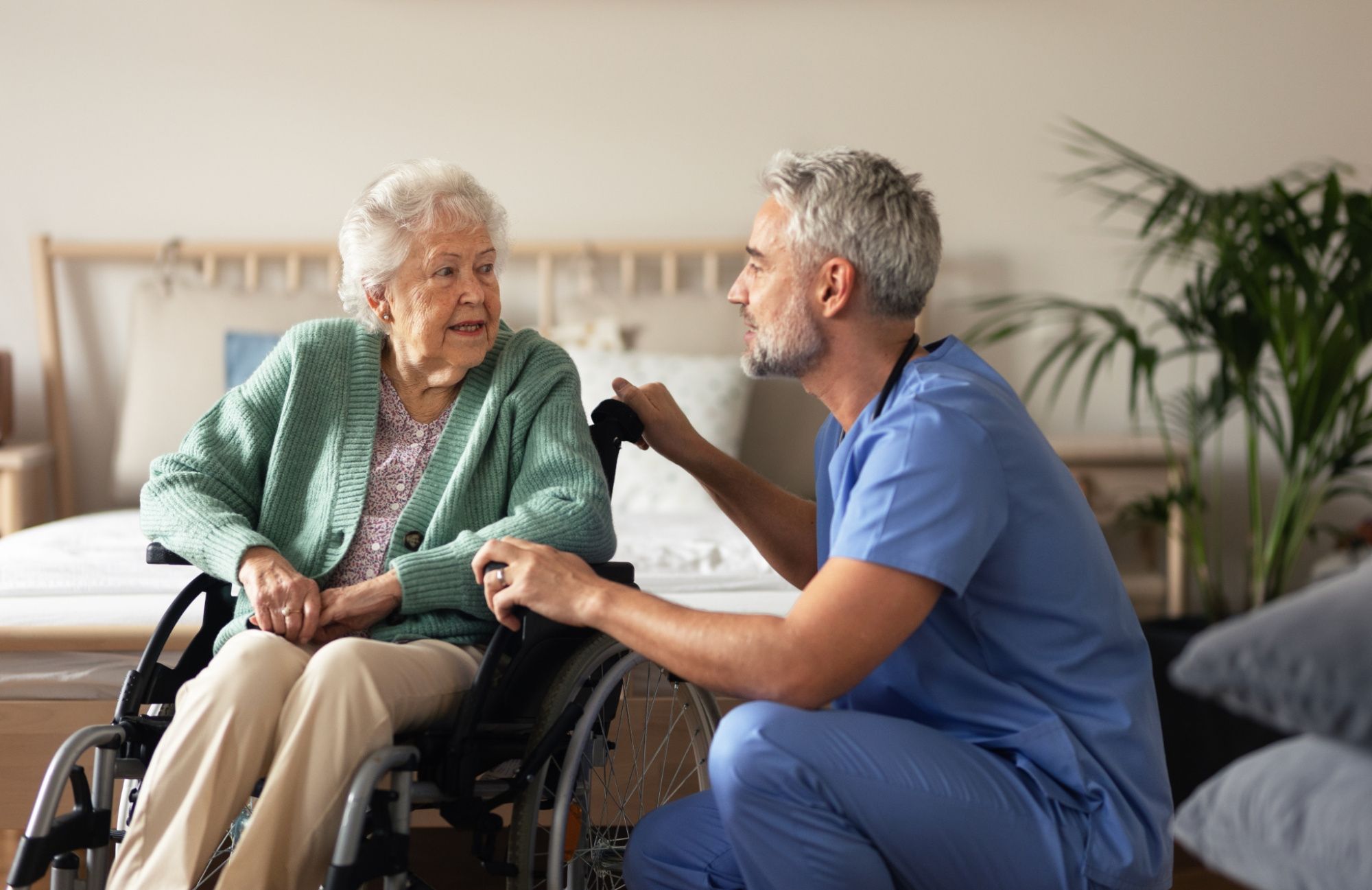
Skilled nursing facility vs nursing home: What’s the difference?



Skilled nursing facilities generally provide short-term rehabilitation and specialized medical care after a hospital stay, injury, or illness.
Nursing homes generally provide long-term support for people who need ongoing care and help with activities of daily living.
Consider the person’s care needs, expected length of stay, insurance coverage, and costs when comparing these settings.
What is a skilled nursing facility?
A skilled nursing facility (SNF) provides short-term care focused on rehabilitation. SNFs typically support people who need help recovering after a hospital stay, injury, or illness. They generally provide more comprehensive rehabilitation services than nursing homes, along with a higher staff-to-patient ratio that allows for more individualized attention.
In-house doctors and registered nurses (RNs) may provide medical care, including medication management, blood tests, and pain management. Care may also include physical therapy, occupational therapy, speech therapy, and other services that help people recover until they’re well enough to return home.
In addition to rehabilitation, an SNF may provide skilled nursing services such as:
Pain management
Wound care
Help with aspiration devices
Giving injections
Inserting and maintaining catheters and feeding tubes
Because the terms are sometimes used interchangeably, this type of community may be called either a nursing home or a skilled nursing facility.
What is a nursing home?
Although people in the senior living sector may use “SNF” and “nursing home” interchangeably, most people think of a nursing home as a long-term care community that provides continuous care and help with activities of daily living (ADLs), such as bathing and dressing. This type of aging care may also be described as assisted living.
Assisted living typically has a lower staff-to-patient ratio, resulting in less individualized attention and care. Skilled nursing staff may include registered nurses (RNs), licensed practical nurses (LPNs), and certified nursing assistants (CNAs).
Nursing homes may support people who need long-term care because of a chronic illness or disability. They may also serve older adults who can no longer live independently and need help with ADLs, such as bathing, dressing, and eating.
Along with help with ADLs, nursing home services may include:
Transportation services
Housekeeping
General medical care, such as oxygen tank management
24-hour emergency medical care
Social activities
Key differences between skilled nursing facilities and nursing homes
OK, now that you know each type, let’s take a look at the main differences:
Level of care
Choosing the right care setting for yourself or someone you support starts with understanding the level of care and assistance needed. Here’s a simple way to summarize the difference:
Skilled nursing facility: If you or someone you care about needs short-term rehabilitation, a skilled nursing facility may be the better option.
Nursing home or assisted living: If you or someone you care about needs long-term skilled care and help with activities of daily living, a nursing home may be the better choice.
Care professionals
If someone has acute medical needs, they’ll generally receive care in a skilled nursing setting. Doctors, nurses, therapists, and other licensed health professionals are on staff to provide medical care during recovery. Skilled nursing care is generally provided by licensed practical nurses or registered nurses with the appropriate certification.
Nursing homes and assisted living communities are designed for residents with less acute medical needs. Professional care staff provide daily support with activities of daily living and simpler medical needs, such as medication management or light physical therapy. Although highly trained, nursing home staff generally don’t have the same level of training and certification as professionals working in skilled nursing.
Location of care
Both nursing homes and skilled nursing facilities provide a place for people who need monitoring from health care professionals.
However, assisted living communities are generally stand-alone buildings that operate independently, while many skilled nursing facilities may be physically connected to or associated with a hospital.
The distinction can become more complicated because many assisted living communities also offer skilled nursing care to residents. These may be called “life plan communities” or “continuing care retirement communities.”
Length of stay
Nursing homes or assisted living communities are often the only option for people who can’t live independently, and stays may be indefinite. Some nursing homes offer hospice or palliative care to people who are seriously ill, helping them approach the end of life with dignity.
Skilled nursing facilities, by contrast, are generally intended to help people recover and return home as soon as possible.
Private health insurance coverage
Every private health insurance plan is different. Your specific plan will determine how much coverage you have for care in a nursing home or skilled nursing facility.
Medicare and Medicaid sometimes provide some coverage for long-term stays in nursing homes and skilled nursing facilities, but coverage can vary by state and individual circumstances.
Cost differences between skilled nursing and nursing homes
Once you understand the differences between skilled nursing care and nursing home services, the potential cost differences between these care settings may be easier to understand. There are a few ways to pay for nursing home and skilled nursing facility care, too.
In general, skilled nursing care is more expensive because of the level of care provided, staff qualifications, length of care, and range of specialized services available.
Skilled nursing facilities offer specialized services such as rehabilitation, wound care, and IV therapy provided by licensed nurses. These services contribute to higher costs compared with nursing homes.
Nursing homes, on the other hand, provide more basic care that doesn’t require skilled medical intervention. This comparatively lower level of medical care, combined with the long-term nature of the services, results in a lower cost structure than skilled nursing facilities.
Finding care that fits
Understanding the differences between skilled nursing facilities and nursing homes can help you make a more informed decision for yourself or someone you support. Both options provide important care, but they serve different purposes. The right setting will depend on the person’s individual needs.
Your priority is finding a setting that supports your loved one’s well-being. Research your options, visit communities, and discuss care needs with health care professionals to identify a setting that offers the right level of care and support.
Whether you’re considering a skilled nursing facility or a nursing home, focus on your loved one’s comfort, safety, and security. Taking time to ask questions, meet the staff, and understand the available services can help you move forward with greater confidence.
Planning for costs with the Cost of Care tool
Planning ahead can make future nursing home and skilled nursing facility care decisions that much easier. Explore care costs and resources designed to help you prepare.
Expert reviewed by


Nipun Chopra, PhD
Nipun Chopra reviews medical and aging content. With a PhD in Medical Neuroscience from Indiana University School of Medicine, Dr. Chopra's research was centered on the role of key proteins in the progression of Alzheimer's disease.
Written by

Marlena del Hierro
Marlena del Hierro is a strategic senior care industry leader with over a decade of experience. As Director of Operational Growth at CareScout, she drives growth and forges strategic partnerships, leveraging her MA in Gerontology from San Francisco State University. Pr...