Fun activities for seniors


Meaningful physical, mental, and social activities can support an older adult's health, connection, and sense of purpose.
Activities can be adapted to match different interests, fitness levels, and mobility needs.
Choosing an enjoyable, manageable activity is a practical first step toward helping your loved one stay active and engaged.
Supporting an aging parent, friend, or family member means more than meeting their basic needs. Meaningful activities can help them stay mentally stimulated, physically active, socially connected, and engaged in daily life. They aren't simply ways to pass the time. They can provide a sense of purpose while supporting health and happiness. Whether your loved one lives at home or in a senior living community, these activity ideas can help them connect with others, keep moving, and have fun.
Activities for older adults: why they matter
Physical, mental, and social activities all play an important role in an older adult's overall health. Regular exercise can help reduce the risk of chronic conditions such as heart disease, osteoporosis, and diabetes. It may also improve balance, flexibility, and endurance, which can limit the risk of falls and injuries. Mental activities such as reading, puzzles, and memory games can support brain health, memory, and attention.
However you approach it, keeping the mind engaged and the body active can be good for all of us, especially as we age. Research supports this connection. A 2019 study by the National Institutes of Health suggests that even leisure activities can help older adults maintain cognitive and physical health.
This part of healthy aging is so important that many senior living communities employ engagement or activity directors. These professionals organize physical and mental wellness programs, along with social activities for residents. Offerings may include recreational outings, games, art classes, fitness programs, intellectual discussions, and memory games. A thoughtful activity director can help create a dynamic, engaging, and supportive environment where residents remain involved.
In general, a well-developed activity program will support the following areas:
Physical activity: Staying active as we age offers many benefits for overall health and well-being. Regular physical activity can help reduce the risk of chronic conditions such as heart disease, stroke, and diabetes. It can also support weight management, balance, and bone health while reducing the risk of falls and fractures.
Social activity: Social interaction helps older adults stay connected to their communities and maintain a sense of belonging and purpose. Meaningful connections may also help ease feelings of loneliness and isolation while supporting emotional health. Regular social interaction can keep the brain active and may help protect against conditions such as Alzheimer's disease and dementia while supporting mental agility.
Engagement: Participating in enjoyable activities can have a positive effect on well-being as you age. This could include anything that offers mental stimulation, from gardening, painting, and bird-watching to baking or playing a musical instrument. When older adults spend time on hobbies they enjoy, they can keep their minds engaged, move their bodies, and gain a sense of accomplishment.
Physical activities for older adults
Some people enjoy exercise more than others, but movement can benefit everyone. Your loved one doesn't need to be interested in a gym or formal workout routine to become more active. These approachable activity ideas can help them move their body, explore their surroundings, and maintain mobility.
Walking: Walking offers an accessible way for older adults to stay active, support balance and coordination, and explore their surroundings. Consider visiting a local park or taking a relaxed stroll together for fresh air and time outdoors.
Yoga: Regular yoga practice can improve flexibility and balance while reducing stress. Many older adults are beginners, so consider getting started together, especially if you're a family caregiver. Practicing together can also help you manage stress.
Swimming: Swimming is a low-impact, high-resistance activity that can work well for people with arthritis. The water allows older adults to move while limiting impact on the body. Many senior living communities also have pools and offer water-based exercise classes.
Strength training: Regular strength training with weights can help maintain muscle mass, increase strength, and improve bone health, which is important for preventing conditions such as osteoporosis. Exercising with friends can also make the time more enjoyable.
Gardening: Gardening creates a connection with nature while providing moderate-intensity exercise. Planting, watering, and tending a garden can build strength, increase flexibility, improve hand-eye coordination, and offer a satisfying sense of accomplishment.
Dancing: Joining a dance class can improve balance, strength, and flexibility. Learning different movements can also provide mental stimulation. Whether someone dances with a partner or group, the activity can encourage social interaction and bring joy.
Pilates: Regular Pilates practice can strengthen the core and improve flexibility, posture, muscle tone, and balance. Exercises can be modified for different fitness levels, offering a gradual path toward improvement.
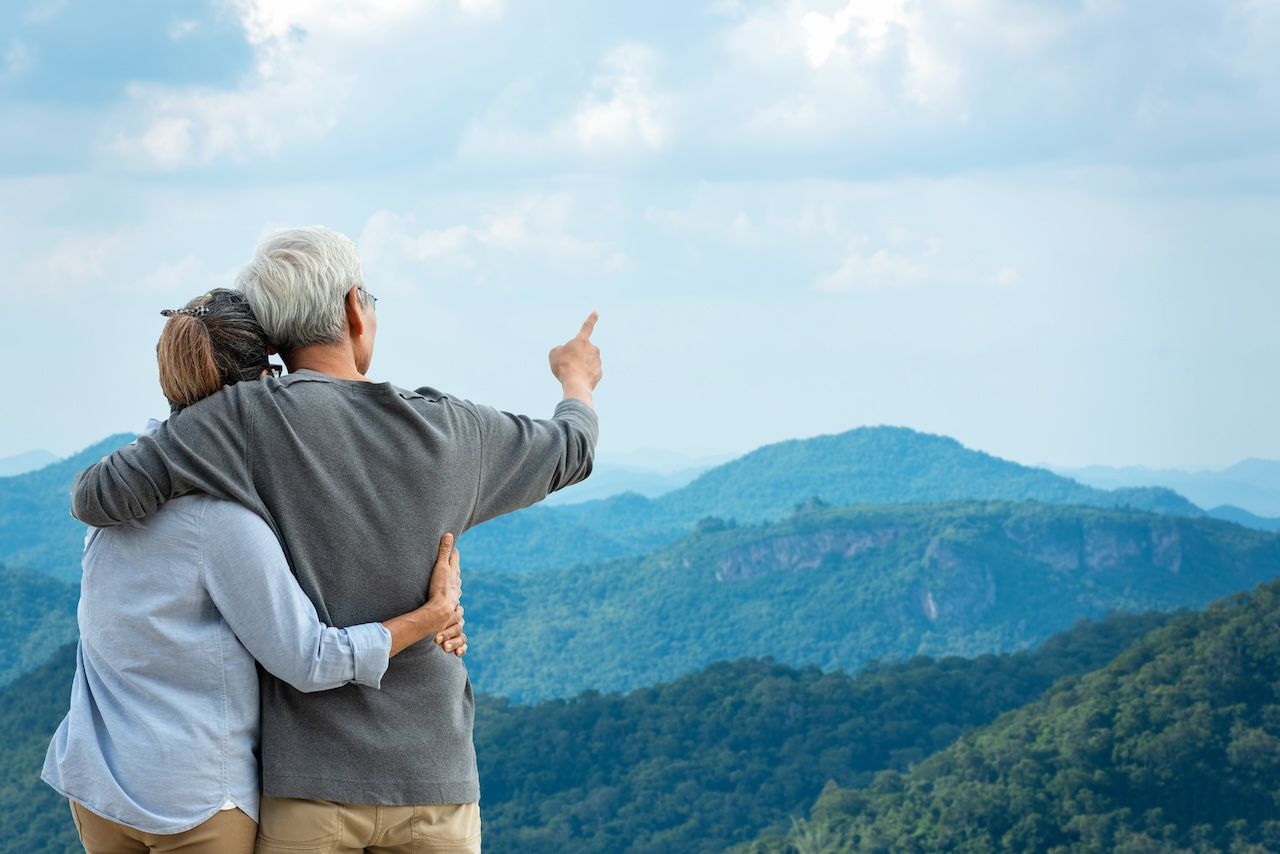
Hiking: Gentle hikes in nature can provide cardiovascular benefits, improve balance, and lower stress. Choosing a manageable trail can provide movement without making the outing feel strenuous. Hiking also creates opportunities for social interaction, time outdoors, and mental relaxation.
Exercise ideas for older adults with limited mobility
Staying active can be especially challenging for someone with limited mobility. Along with physical barriers, an older adult may hesitate to move because they're concerned about getting hurt or falling. As with other forms of exercise, the key is to start slowly and build from there. These enjoyable activities may work well for wheelchair users and people with other mobility limitations.
• Chair yoga: Chair yoga uses gentle poses performed from a seated position to improve flexibility and balance while reducing joint strain. This approach may feel more accessible to someone with restricted mobility. It may also include simple breathing and meditation practices that promote calm.
• Aquatic therapy: Conducted in a pool, aquatic therapy provides gentle resistance that supports joint flexibility and muscle tone. The water's buoyancy can reduce impact on the joints, discomfort, and strain while allowing the body to work against resistance. Pool time can feel both comforting and energizing.
• Hand pedaler: A hand pedaler, also called an arm ergometer, provides an upper-body workout that can improve cardiovascular health and strength without the risks associated with traditional weightlifting.
• Resistance band exercises: These exercises use stretchy bands to provide resistance and help improve muscle strength and flexibility. Bands can support a range of simple movements without requiring traditional weights. Resistance bands are versatile and can target nearly every muscle group with a lower risk of injury. They can work well for people with limited mobility because you can choose the level of resistance that suits the person's abilities.
• Pilates: Gentle Pilates exercises can be modified for a seated or lying position, making them accessible for some people with limited mobility. They focus on strengthening the core, improving flexibility and balance, and supporting body awareness.
• Seated tai chi: Seated tai chi offers a simplified version of the standing practice. Its gentle, controlled movements can improve flexibility, balance, and motor control while supporting mental well-being through a meditative approach.
• Chair dance: Seated dance routines set to energetic music offer an enjoyable way to improve cardiovascular fitness and coordination. Favorite songs can make the activity feel more like fun than exercise, and routines can be adapted to different fitness levels.
• Stretching: Regular stretching for the upper and lower body can promote flexibility, improve range of motion, and ease muscle tension. A routine can focus on the areas that feel most comfortable to move, contributing to greater overall comfort.
• Seated gardening: Tabletop pots or raised beds can make gardening accessible from a seated position. An older adult can plant, water, and tend flowers or other plants without working at ground level. This relaxing activity can improve fine motor skills and provide a sense of accomplishment.
Fun activities for older adults and their grandchildren
Finding new ways to spend time with grandchildren can feel challenging, especially if a grandparent is concerned about their physical abilities. The activity doesn't need to be strenuous to bring everyone together. These ideas for children, tweens, and teens keep everyone moving, encourage conversation, and make room for time outdoors.
• Nature walk: Nature can be one of our best teachers, and time outside gives grandparents a chance to reminisce, tell stories, and connect. Take the children on a nature walk or visit a local park. You can turn the outing into a game by spotting baby animals, gathering flowers for a bouquet, or picking up litter along the way.
• Gardening together: Whether you're creating a window box or planting a garden, grandparents and grandchildren can sow seeds, water plants, and watch them grow together. The ongoing nature of gardening gives them a reason to return to the activity. It's an active way to learn about nature and life cycles.
• Dance party: Grandparents can organize a dance session and share music from their era, while children can introduce their current favorites. Create a playlist together that the children can keep on their phones. It's a meaningful way to move, have fun, and connect across generations while enjoying another form of music therapy.
• Cooking session: Sometimes staying active simply means continuing to move. Cooking together may involve standing, moving around the kitchen, gathering ingredients, and using hand-eye coordination. It can also give grandparents a chance to share familiar recipes.
• Picnic: Grandparents can plan a picnic in a nearby park and include outdoor games such as Frisbee or catch. Preparing the food and choosing a location can be part of the shared experience. Walking, playing, and setting up the picnic all add movement to the outing.
• Treasure hunt: A classic treasure hunt works indoors or outside and can be adapted to the available space. It gives grandparents and grandchildren a chance to walk around while solving riddles or puzzles.
• Bird-watching: Grandparents can take up bird-watching and bring their grandchildren along. This activity encourages walking and concentration while creating educational opportunities and giving everyone something specific to look for and discuss.
• Photography outing: Grandparents and grandchildren can explore a wider area while trying to capture interesting pictures. Today's phones can take impressive photos, so special camera equipment isn't required. The outing gives everyone a chance to walk, focus, compare photos, and learn a new skill.
[h2] Creative activities for older adults
For older adults who enjoy seeing the results of their work, crafts can offer a satisfying balance of creativity, activity, and social connection when done with others. Creating art may also benefit the brain. Researchers at the Mayo Clinic followed 265 people in their 80s over four years and tracked changes in their brains as they aged.1 The older adults who participated in artistic work were less likely to develop mild cognitive problems such as memory lapses and difficulty thinking. The following creative activities are simple enough to do at home or in a senior living community, either independently or with others.
• Scrapbooking: Scrapbooking helps older adults exercise fine motor skills while giving them a way to share their life stories. Choosing photos and arranging pages may also prompt conversations about meaningful experiences. These mementos can become a beautiful way to preserve and pass down family history. It's also a rewarding activity for family caregivers and older adults to do together.
• Pottery: Pottery challenges physical dexterity while stimulating creativity. Shaping the clay and painting the finished piece can each be therapeutic and rewarding.
• Knitting or crocheting: Knitting and crocheting can feel both enjoyable and familiar. It can be rewarding to watch a complete project come together from a single ball of yarn.
• Soap making: Soap making is a fun, practical craft that offers room for creativity through the choice of different scents, colors, and molds. Soap-making kits are widely available, making it easier to gather the needed materials. The finished soaps can be used around the home or given to friends and family as gifts.
• Woodworking: Woodworking can be as simple or complex as you choose, from carving small figurines to building furniture. Different projects can accommodate different interests and skill levels. The activity supports hand-eye coordination, planning, and physical movement while producing meaningful pieces with unique stories to tell.
• Model building: Assembling model cars, ships, or planes uses fine motor skills, attention, and patience. The process gives an older adult a project to return to over time, and the finished model may hold sentimental value.
• Home brewing: Making your own beer or wine at home combines elements of science and craft. It's an engaging project that requires attention and precision. The final product can also provide an interesting way to connect with other adults and share the results.
• Photography: Although it isn't a traditional craft, photography encourages creativity and helps people develop a unique perspective. It may inspire an older adult to notice details in familiar places or explore new surroundings. Editing photos can also provide an opportunity to learn new software tools.
Fun activities for older adults that encourage social connection
Social isolation can be a serious concern for older adults, especially those who live at home. Physical and creative activities matter, but a sense of social connection and belonging is also important to healthy aging. Opportunities to talk, share interests, and spend time with others can help an older adult remain connected to their community. Studies show that loneliness may increase the risk of developing dementia.1 Help the older adults in your life find ways to get out, meet people, and stay connected with these ideas:
• Join a book club or reading group: These groups offer a chance to discover new authors and genres, discuss ideas, and connect with other readers. The conversation gives everyone an opportunity to share their perspective and hear different opinions. Whether someone prefers modern books or classic literature, they may find a book club that fits their interests.
• Start a cooking or baking group: Cooking together combines companionship with culinary exploration. Sharing family recipes, learning from one another, and tasting different cuisines can broaden horizons and strengthen connections. The group can take turns choosing what to prepare or teaching a favorite recipe. If your loved one lives in a senior living community, starting a cooking club can also be a great way to meet people and begin new conversations.
• Start a movie club: Many of us have a list of favorite movies, and sharing those choices can lead to memorable conversations. Let each person choose a movie for the group to watch. For extra fun, serve a meal or cocktails that match the movie's setting, time period, or theme.
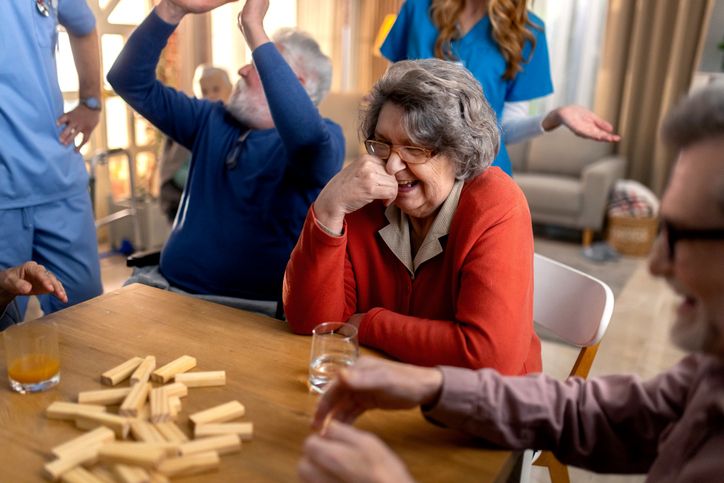
• Play board games or card games: From chess clubs to bridge groups, traditional games offer both fun and strategic challenges. They can keep the mind active, build team spirit, and become a much-anticipated highlight of the week.
Staying active and connected as you age
Healthy aging includes staying physically active, mentally engaged, and socially connected. The best place to begin is with something that reflects your loved one's interests, preferences, and current abilities. Help them choose an activity that feels enjoyable and manageable, then consider joining them or inviting someone else to participate. With the right support, your loved one can approach this phase of life with curiosity, enthusiasm, connection, and a sense of adventure.
Search for aging care providers
Finding the right care starts with understanding your options. Use our Care Finder to search for providers, including those in the CareScout Quality Network.
Written by


Marlena del Hierro
Marlena del Hierro is a strategic senior care industry leader with over a decade of experience. As Director of Operational Growth at CareScout, she drives growth and forges strategic partnerships, leveraging her MA in Gerontology from San Francisco State University. Pr...