

Respite care after surgery: what to expect


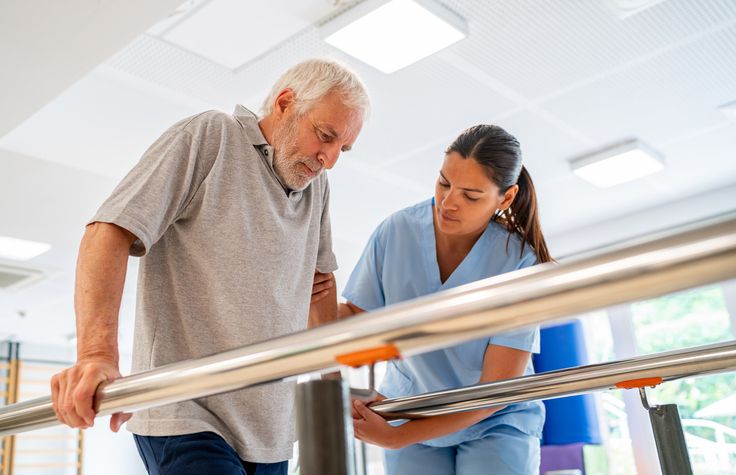
Knee and hip replacements are common procedures for older adults. According to University Hospitals, 700,000 knee replacement surgeries and 450,000 hip replacement surgeries are performed each year. 1 Women are more likely than men to be recommended for joint replacement, and replacement rates increase with age.
In addition, thousands of people have cardiac surgery in the U.S. every day.2 The most common type of cardiac surgery is coronary artery bypass grafting, a procedure in which a healthy artery or vein from another part of the body is connected to a blocked coronary artery.3 Other cardiac surgeries may repair or replace the valves that control blood flow through the heart, implant devices such as a pacemaker, or involve a donor heart to improve overall cardiovascular health.4
These are major surgeries, and you’ll need significant time and support to recover. The more you know about your procedure, the better you can plan for a smoother recovery. Planning ahead can also help you arrange the day-to-day care and support you may need after you leave the hospital.
What to expect after joint replacement
Joint replacement surgery itself is relatively short, and most people can move more easily and with less pain after recovery. Physical therapy may begin as early as the day of surgery, and you may be walking with assistance one or two days later. You’ll likely leave the hospital after only a few days, but full recovery can take 3 to 6 months depending on the type of surgery, your health before surgery, and your rehabilitation. Johns Hopkins Medicine offers more insight into what recovery may look like after hip or knee replacement surgery.5
Recovering from joint replacement requires the right combination of rest, wound care, pain management, and physical therapy. A short-term stay in a senior living community before returning home can make this period easier for you and your family caregiver. This added support can give you more time to focus on healing before you return to your usual routine at home.
What to expect after cardiac surgery
Immediately after surgery, you’ll most likely spend a day or two in the intensive care unit, followed by several days in another part of the hospital. Doctors will monitor your heart rate, blood pressure, breathing, and incisions.
After discharge, you’ll begin an initial recovery period. Then, a structured program of cardiac rehabilitation will help you return to an active life. The timing of each step will depend on your overall health and the type of surgery you had. In either case, short-term care in a senior living community may help.
During this stage of recovery, caring for yourself may be difficult, and your family caregiver may not be able to provide around-the-clock support. With short-term respite care, staff in a senior living community can care for incisions, watch for signs of infection or other complications, and help you manage aftereffects such as muscle pain, chest pain, or swelling. They can also help with medications and pain management. With that support, you can focus on resting and regaining the strength you’ll need for rehabilitation.
What cardiac rehabilitation includes
Cardiac rehabilitation is a medically supervised program that may begin a few weeks after surgery. If you’re recovering at home, you’ll most likely visit an outpatient rehabilitation center. During a short-term care stay, rehabilitation may begin in your room.
Along with an initial medical evaluation and ongoing progress tracking, your program will include:
Exercise training. Physical training will begin slowly. It will include cardiovascular exercises, such as walking and cycling, as well as gentle strength training. Your rehabilitation team will also teach you exercises you can continue independently three to five times a week. These exercises are critical to recovery because they can help lower your risk of future cardiac problems.
Education. Your team will help you develop a healthy diet, manage pain and fatigue, and understand your medications.
Counseling and support. Anxiety and depression aren’t uncommon after cardiac surgery, even among people who haven’t experienced them before. People who undergo joint replacement surgery also have a higher likelihood of developing anxiety or depression.6 Possible reasons include a prolonged pause in an independent and active lifestyle, lack of sleep, or anxiety about the procedure. To help prevent mental health conditions, rehabilitation programs typically include stress management skills, counseling, and referrals to other resources that can help with the emotional challenges of recovery.
How respite care may make recovery easier
With respite care, the support you need is available in one place. You can learn skills to help maintain balance and agility, get help cleaning and dressing your wound, and receive support managing pain medications. Short-term care can also help with activities of daily living (ADLs) that may be difficult during recovery, such as using stairs, dressing, making the bed, or bathing.
Even when family and friends can help, they may not be available throughout your recovery. A short-term stay in assisted living may ease the stress of arranging care at home for your family caregiver and give you the time and support to focus on getting better.
Get peace of mind with a Care Plan
Every care journey is unique. A Care Plan, created by a licensed nurse, can help you take the next step with confidence.