

Find assisted living communities
What is assisted living?
Assisted living offers older adults the independence they want and the extra help they might need. Compared with other types of senior housing, assisted living bridges the gap between independent living and a nursing home.
It's perfect for older adults who are still active, but who may be starting to struggle with activities of daily living, like taking showers or getting dressed, or who have specific needs but don't require full-time skilled nursing care. Assisted living does not provide 24/7 medical care, unlike a nursing home, which offers around-the-clock skilled medical services.
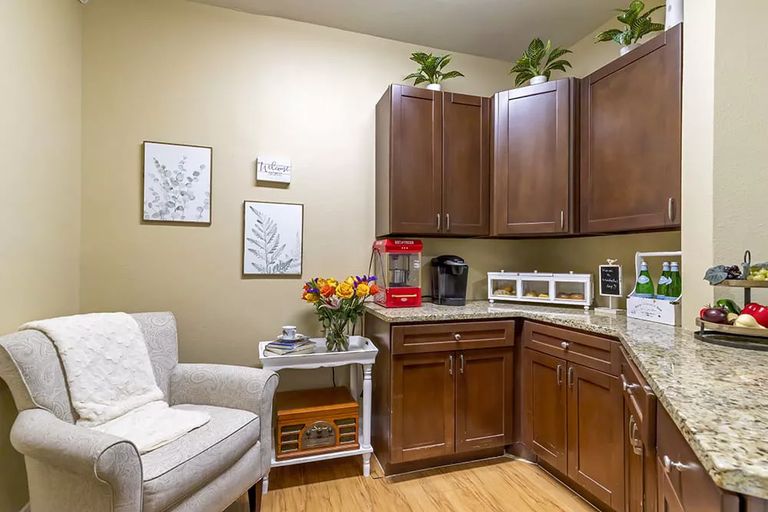
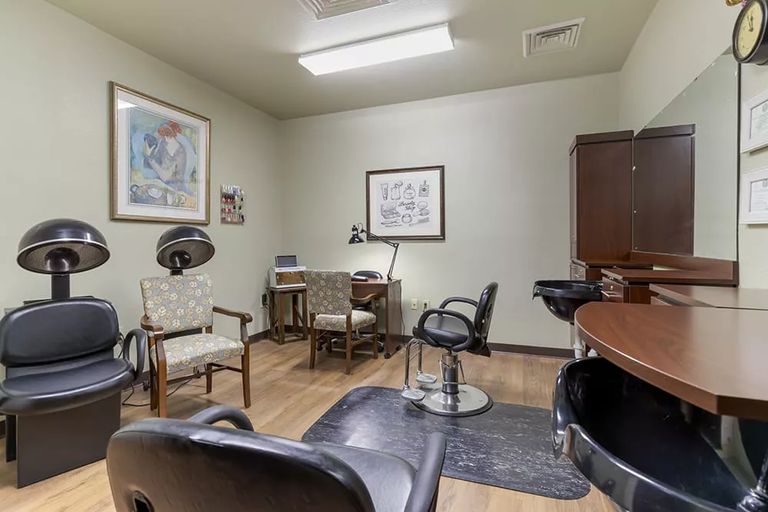
Assisted living communities also provide an environment in which many household tasks, like cooking, cleaning or doing laundry, are taken care of. But one of the best parts is that assisted living facilities offer a huge benefit when it comes to socialization; they often have robust activity calendars, planned community outings, exercise classes and more.
Most assisted living communities include:
- Help with activities of daily living (ADLs)
- Support for managing medications
- Meals, housekeeping and laundry
- Transportation to and from doctor's appointments
- Lots of activities, wellness and exercise classes and opportunities to connect with others
Browse assisted living by location
- San Diego, CA185 communities
- Miami, FL123 communities
- Detroit, MI220 communities
- West Palm Beach, FL19 communities
- Tucson, AZ207 communities
- Seattle, WA50 communities
- Bronx, NY11 communities
- Escondido, CA58 communities
- Sacramento, CA88 communities
- Denver, CO69 communities
Featured assisted living communities
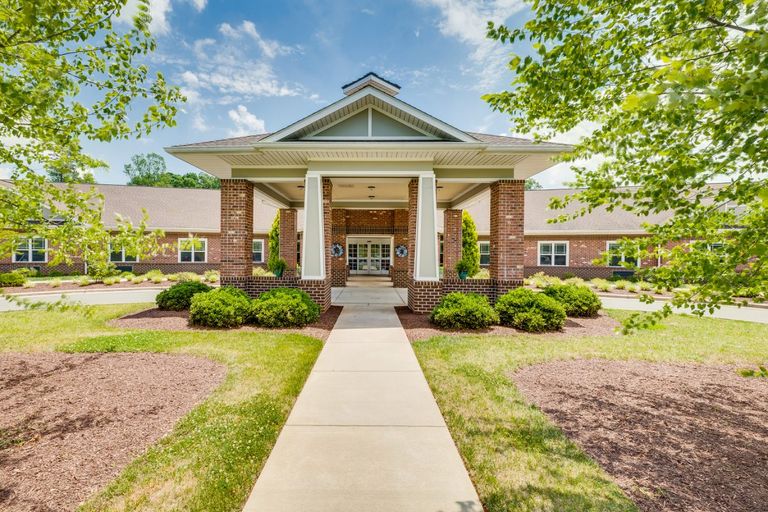
Mebane Ridge (opens in a new tab)
1999 South NC Highway 119, Mebane, NC 27302
Assisted Living · Memory Care
From $4,425/mo
9.9Brookdale Burlington Assisted Living (opens in a new tab)
3615 South Mebane Street , Burlington, NC 27215
Assisted Living · Memory Care
"Its been a while but Amber really shared her love for the residents with her food." - anonymous
From $5,570/mo
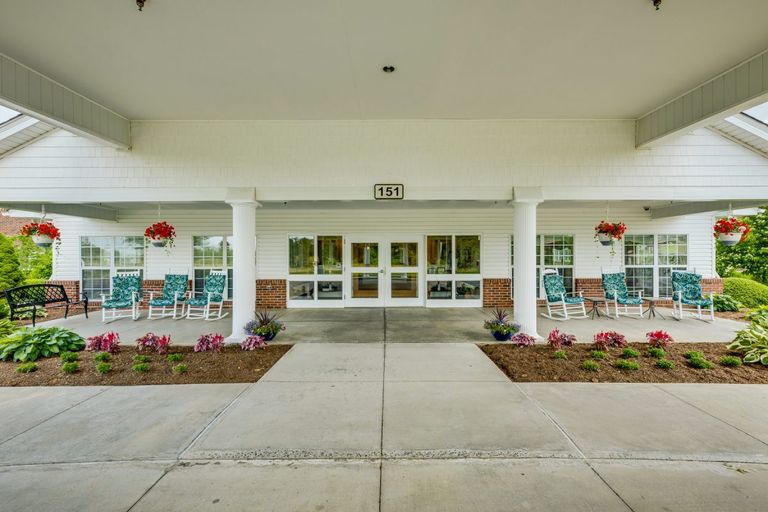
9.9Forest Ridge (opens in a new tab)
151 Village Park Drive, West Jefferson, NC 28694
Assisted Living · Memory Care
From $4,585/mo
9.9Brookdale Medical Center Kingsley (opens in a new tab)
9000 Floyd Curl Drive, San Antonio, TX 78240
Assisted Living · Memory Care
"The leadership at Brookdale Kingsley is unmatched. Ina B, Executive Director demonstrates a level of..." - Letty Read more (opens in a new tab)
From $3,785/mo
9.9Brookdale Hickory Northeast (opens in a new tab)
2530 16th Street North East , Hickory, NC 28601
Assisted Living
"no hot water, the new Director raises costs to move residents out, they cannot keep current employees. its..." - anna Read more (opens in a new tab)
From $2,955/mo
9.9Brookdale Morehead City (opens in a new tab)
107 Bryan Street , Morehead City, NC 28557
Assisted Living · Memory Care
From $6,670/mo
9.9Brookdale Lexington (opens in a new tab)
161 Young Drive , Lexington, NC 27292
Assisted Living · Memory Care
From $4,140/mo
9.9Truewood by Merrill - New Bern (opens in a new tab)
2701 Amhurst Boulevard, New Bern, NC 28562
Assisted Living · Memory Care · Independent Living
From $3,195/mo
9.9Brookdale Reynolda Road (opens in a new tab)
2980 Reynolda Road , Winston Salem, NC 27106
Assisted Living
From $5,205/mo
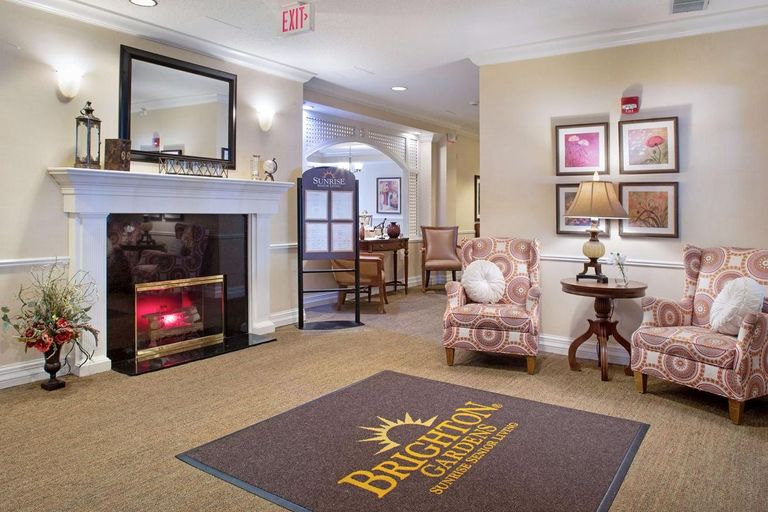
9.9Brighton Gardens of Winston-Salem (opens in a new tab)
2601 Reynolda Road, Winston-Salem, NC 27106
Assisted Living · Memory Care
From $4,925/mo
9.9Brookdale Northwest Greensboro (opens in a new tab)
5809 Old Oak Ridge Road , Greensboro, NC 27410
Assisted Living
From $3,250/mo
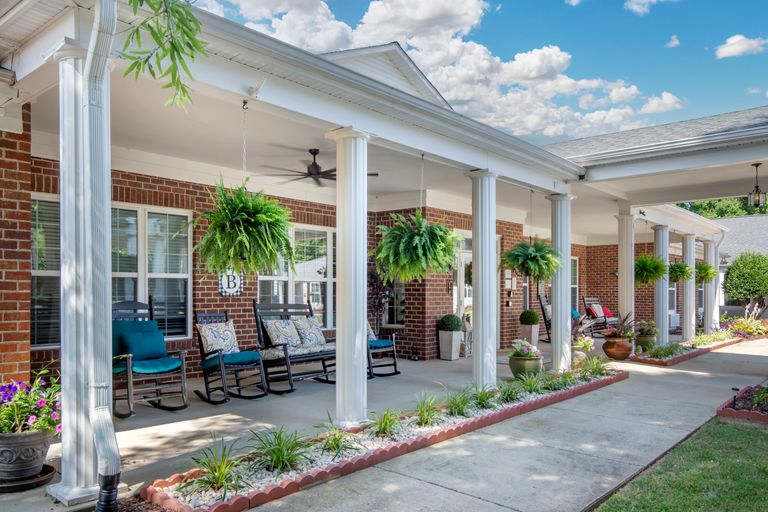
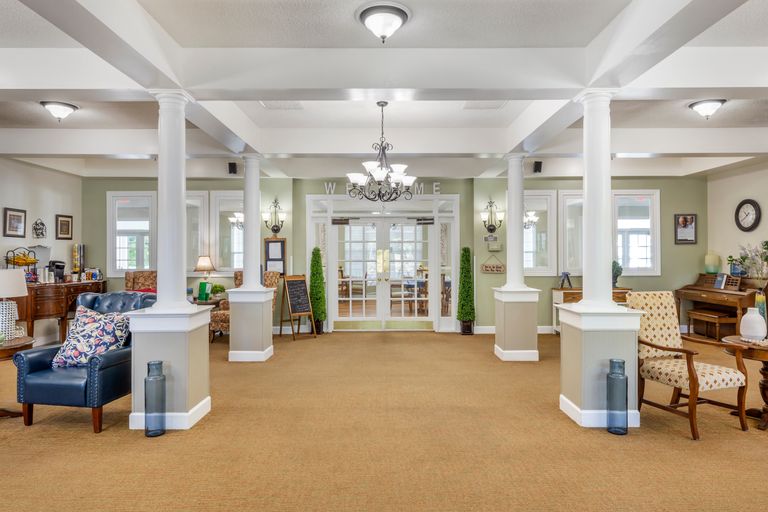
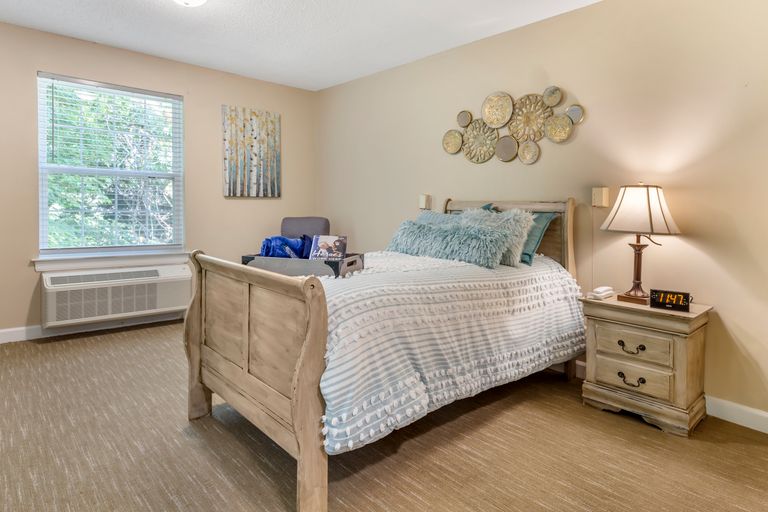
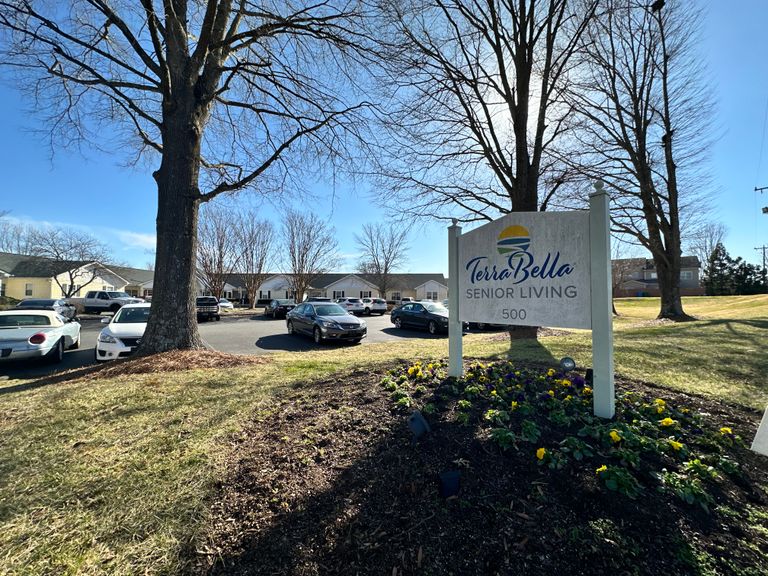
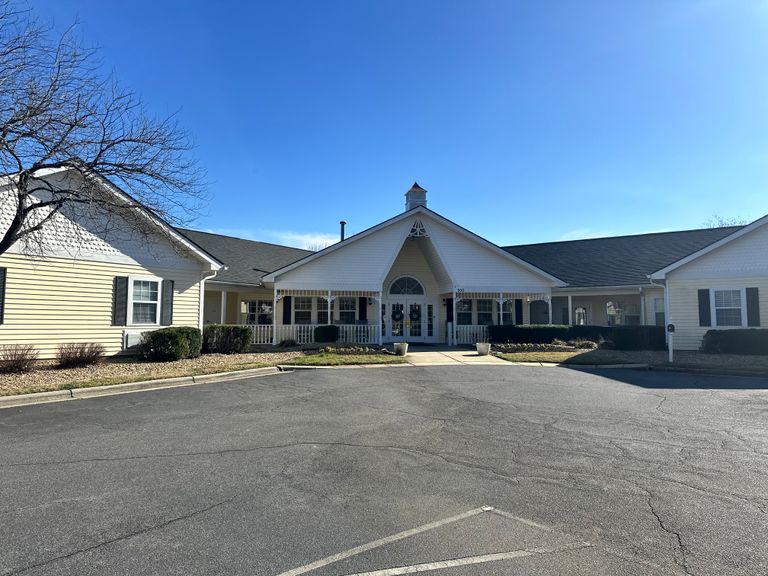
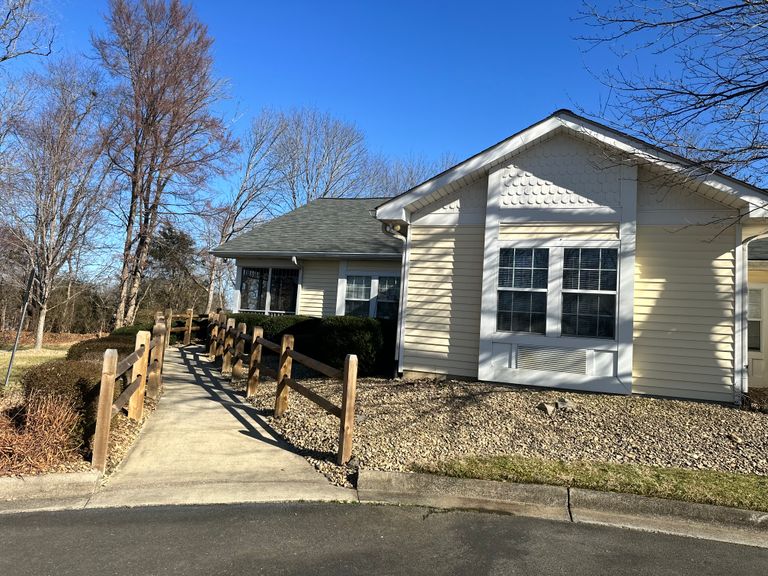
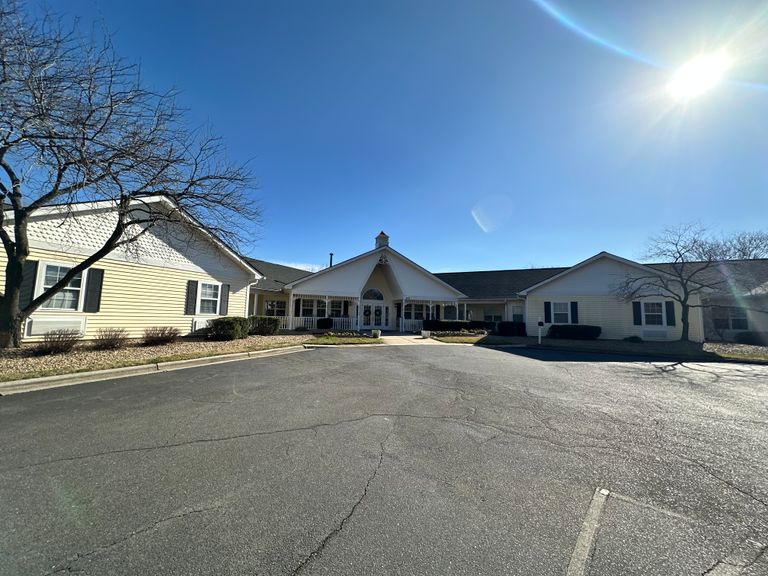
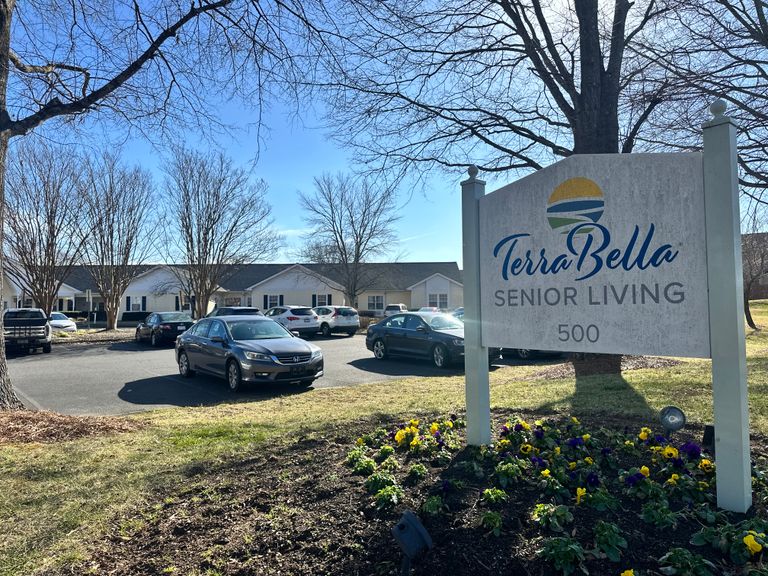
9.9TerraBella Cramer Mountain (opens in a new tab)
500 Cramer Mountain Road, Cramerton, NC 28032
Assisted Living · Memory Care
"Great place to work. Great management team that helps ensure that all the day-to-day needs are taken care of...." - Elizabeth Read more (opens in a new tab)
From $2,425/mo
9.9




When might assisted living be the right fit?
Signs assisted living may be a good fit
- Everyday tasks are becoming more difficult
- Managing a home feels overwhelming
- Social connection is limited
- Safety and mobility concerns are increasing
How much does assisted living cost?
Factors that can affect the cost
- Location
- Level of care needed
- Apartment or room type
- Staffing and services
- Amenities and programs
Tip: When touring communities, ask for a detailed breakdown of what's included, what services may cost extra, and how pricing could change if care needs evolve over time.
What’s typically included?
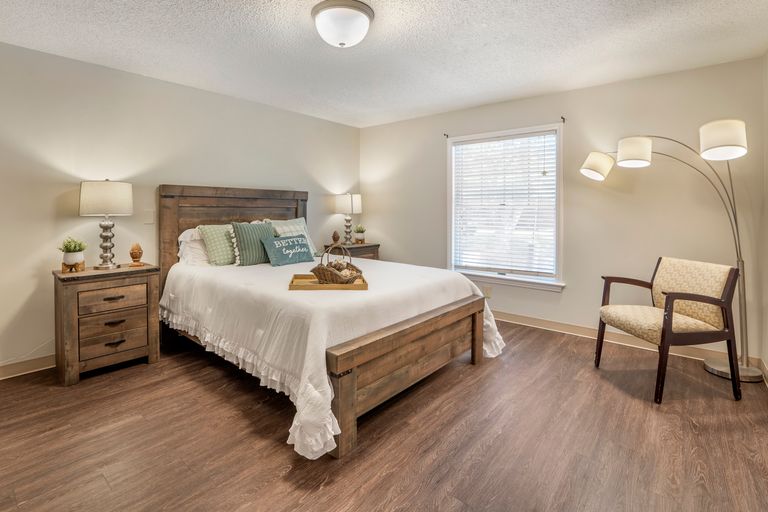
- Housing and utilities
- Three daily meals and snacks
- Housekeeping and laundry services
- 24/7 staff availability
- Assistance with daily activities as needed
- Scheduled transportation
- Social events, fitness programs, and community activities
Compare senior care options
Care option
How it differs from assisted living
Home care: How it differs from assisted living
Independent living: How it differs from assisted living
Memory care: How it differs from assisted living
Nursing homes: How it differs from assisted living
Why families use CareScout
Explore quality-focused options
Find assisted living communities that meet CareScout’s quality standards and are committed to person-centered care.Compare care options in one place
Learn about different types of care, compare options, and prepare questions as you explore providers and communities.Plan for the cost of care
Explore local cost information and better understand the factors that may affect what you pay.Get support along the way
Connect with an advisor who can answer questions and help you navigate your search.
Helpful resources for families

9 Questions to Ask When Touring an Assisted Living Community
CareScout compiled a list of questions to ask when looking for assisted living. Review this list and come prepared when touring an assisted living facility.
7 min read

How to talk to a loved one about moving to assisted living
Need to talk to a loved one about assisted living? Get expert tips on starting the conversation with care, empathy, and confidence.
11 min read

Moving to assisted living: what to bring and how to prepare
Prep your parent or loved one for moving to assisted living with CareScout's checklist and guide. Learn what to bring when moving your loved one and more.
7 min read
FAQs
Though some higher-end communities may have emergency services on-site, the majority of communities will immediately call the closest ER for assistance.
Certified staff will be at your loved one’s side to provide basic care and first aid while waiting for additional medical professionals. Staff will also immediately call the listed emergency contact to inform them of the incident.
The majority of assisted living communities will offer transportation services off campus. However, whether they charge a fee for transportation, or what kind of transportation is offered, will vary.
Many communities will offer transportation to off-site doctor’s appointments, or other appointments. They also often offer regular shopping or day trips. However, talk to each community for specific details.