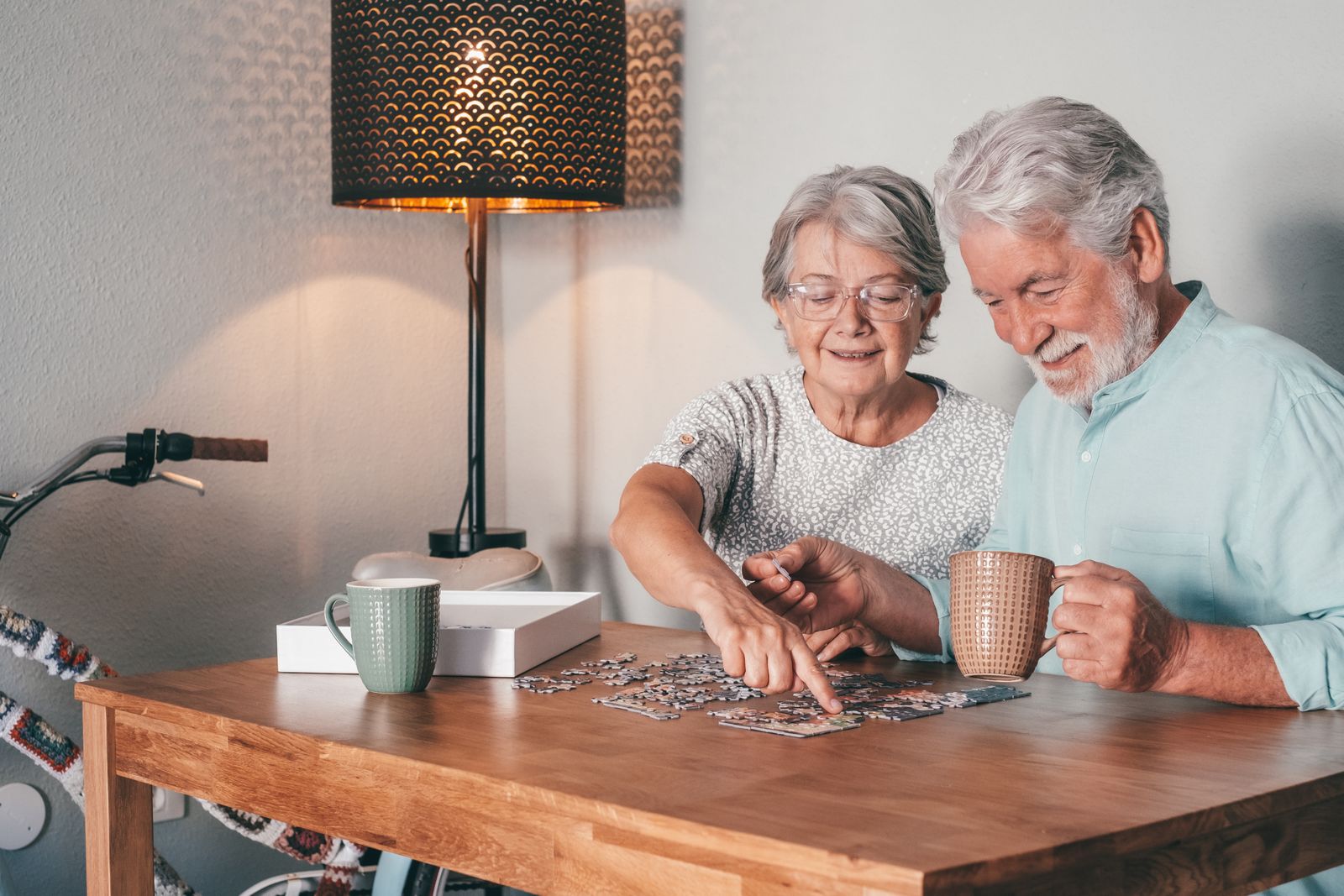

Being a caregiver: the essential skills for quality care


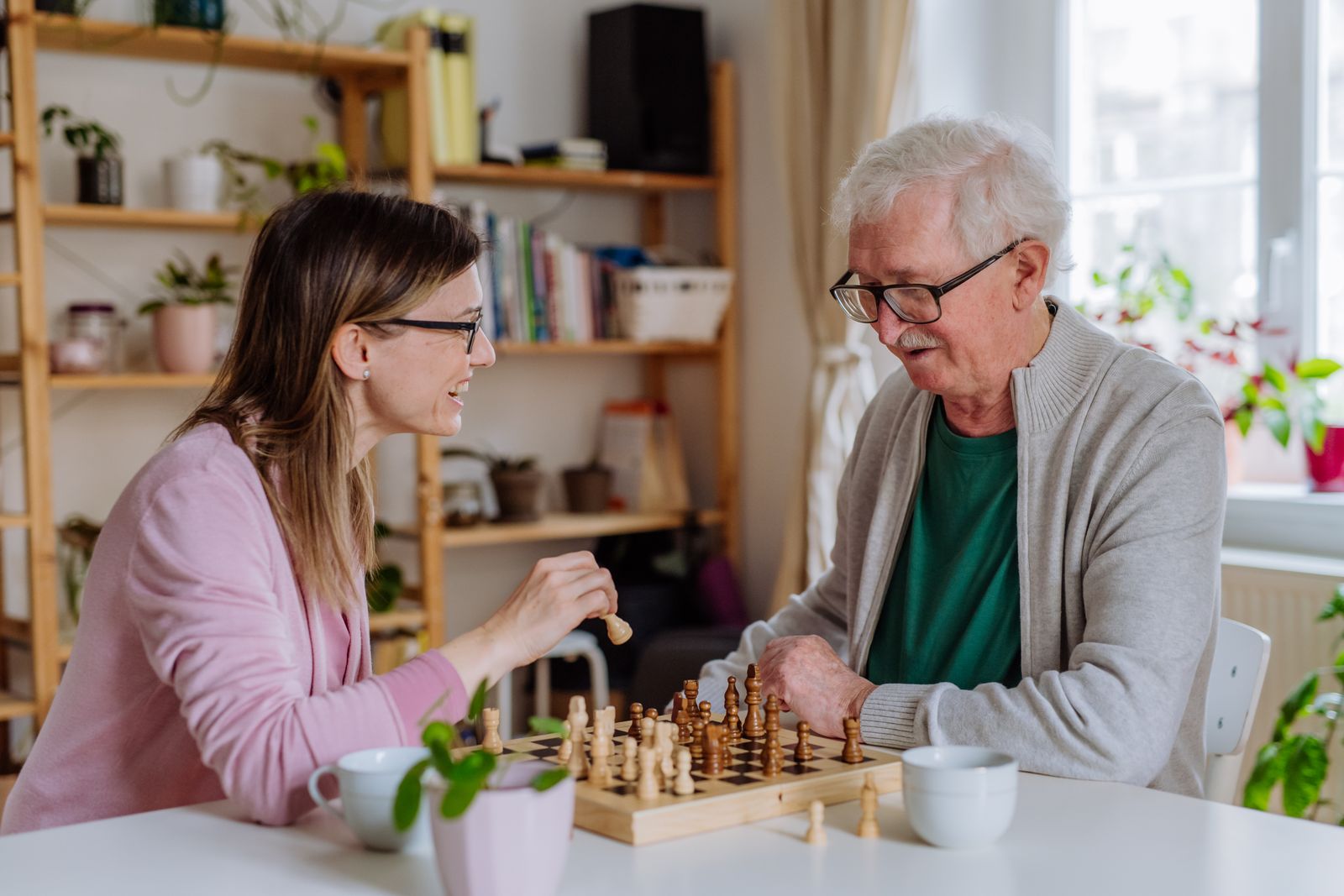
Being a caregiver can require a varied set of skills, but some of the most essential are patience, organization, communication, empathy, physical and emotional stamina, and resilience. These skills can help you provide quality care, avoid caregiver burnout, and establish a structured caregiving routine. It’s also important to get support as a caregiver. Explore local support groups or activities in your area to see what can help you.
Caregiving is many things: deeply meaningful yet undeniably demanding, profoundly rewarding yet immensely draining. It can be inspiring not only through its challenges, but also through its rewards.
The role of a caregiver is different for everyone. For some, it’s a few dedicated hours each week; for others it’s a round-the-clock commitment. While each situation can vary, there are a handful of essential skills that can make all the difference when providing quality care for your loved one.
Essential skills for quality caregiving
The responsibilities you have as a caregiver depend on your loved one’s needs. Those responsibilities can cover a wide range of tasks and require a varied skill set.
Caregiving can involve support for the activities of daily living (ADLs) — such as dressing, eating, and bathing — to the instrumental activities of daily living (IADLs) — such as grocery shopping, meal preparation, medication management, and household upkeep.
While caregiving requires many skills, a select few are crucial to providing high quality care to your loved one. Here is a list of essential skills for quality caregiving:
Patience: When you’re a caregiver, some days can be smoother than others. Remember to take a deep breath. It’s not always easy, but staying calm and compassionate can help not just your loved one, but you too.
Organization: Between appointments, medications, cooking food, and managing your own life and responsibilities outside caregiving, life as a caregiver can feel like a juggling act. Keep your caregiving organized with a detailed calendar, phone apps, or a wall mounted whiteboard.
Communication: Be clear and kind to your loved one. Listen to their concerns, needs, and feelings. Your loved one is the person who needs support, and they should always have a voice in their care.
Empathy: It’s at the center of caregiving. Take the time to see the world through your loved one’s eyes and meet them where they’re at. Sometimes that means humor, sometimes it means just being there to listen to them.
Physical stamina: Don’t worry, no one expects you to run a marathon, but caregiving can be physically demanding if you’re helping a loved one get in and out of bed, helping with bathing or using the toilet, or assisting with walking.
Emotional stamina: There can be moments of frustration, sadness, and even doubt. What’s important is to give yourself permission to feel all those things and know it doesn’t make you a bad caregiver; it simply reminds you that you’re human. When you provide care that honors your loved one’s preferences and goals, you’ll find moments of joy, even on tougher days.
Resilience: No one is perfect, and it may take time for you to learn your new role as a caregiver. Having the ability to try, make mistakes, learn, and then grow will make you better equipped to offer quality care and support for your loved one.
Avoiding caregiver burnout
You can’t pour from an empty cup. Caregiving can require a level of responsibility that may push you to put your own needs last, but that can lead to caregiver burnout.
Caregiver burnout is a state of physical and emotional exhaustion that can happen when you’re caring for another person. While it can feel inevitable, you can manage it by taking time for yourself by prioritizing self-care, taking breaks, and asking for help when you need it.
Setting boundaries can be a challenge even outside caregiving, but when you take care of yourself, you’re in a better place to care for your loved one.
How to create a structured caregiving routine
We mentioned organization as an essential caregiving skill. Part of your organization means creating a consistent caregiving routine that works for both you and your loved one.
Start by identifying what needs to happen daily and then building a schedule around that. Here are some tips on how to create a structured caregiving routine:
Define responsibilities: Make sure you, your loved one, and anyone offering support knows what their roles will entail.
Set health and safety goals: Ensure medications are taken on time if needed, set up mealtimes, make home modifications if necessary, and maintain consistent routines for personal care and hygiene.
Have regular check-ins: Talk to your loved ones to hear how they’re feeling about their care.
Develop a plan for emergencies: In the case of an emergency, it can make all the difference to have a plan in place.
Having a structured caregiving routine doesn’t mean you have to be rigid. Leave space for spontaneity and downtime, too.
Where to find additional caregiver support
No caregiver should have to face everything on their own. Taking care of yourself means reaching out for support when you need it. Here are some common sources of support that you may find helpful as a caregiver:
Caregiver support groups: It can be helpful and encouraging to connect with a caregiver support group to talk with others who understand life as a caregiver.
Professional counseling or therapy: It can help sometimes just to have someone that will listen to what you’re going through as a caregiver while also offering advice.
Support programs: Programs like the National Family Caregiver Support Program and the Alzheimer’s Association Helpline can provide support.
Community and spiritual support: Support can take on many forms and for you that might mean playing rec league softball or meeting others for a faith-based service. You can find programs, activities, and events at your town hall, local coffee shop, local newspaper, or community Facebook group.
In-home care: A professionally trained in-home caregiver can come to your loved one’s home and partner with you to provide care that suits their preferences, needs, and goals.
Schedule a care plan
If you need extra caregiving support, but don’t know where to start, A Care Plan can provide personalized recommendations for care, giving you the guidance you need to create a better path forward.
Expert reviewed by


Erika Swanson, MSW, LCSW
Erika is a Licensed Clinical Social Worker with a Master’s in Social Work. Her background includes experience in crisis intervention, care management, biopharma, and long-term care. She has directed culture initiatives within organizations and overseen clinicians working with managed care program...
Written by

Brian Dowd
Brian is writer based in New England. He is a passionate storyteller with a knack for finding the extraordinary in the ordinary. He joined CareScout as a Senior Content Writer in 2024. Before that, he worked as a content writer in the senior living industry and worked for several years as an assi...